Harmeet Dhillon, the U.S. Department of Justice (DOJ) official who led the federal government's legal challenge to Evanston's reparations program, resigned Thursday, Nov. 5, Evanston Now reported.
The lawsuit she helped bring against the city, Flinn v. City of Evanston, is still ongoing.
Dhillon served as assistant attorney general for civil rights. Her office led the Trump administration's challenges to diversity, equity and inclusion programs nationwide, according to Evanston Now. That included targeting Evanston's first-in-the-nation reparations program, which she called discriminatory against non-Black people and "illegal."
Her resignation came two days after Democrats retook control of both the House and Senate in what Evanston Now described as a landslide election defeat for the Republican Party.
Attorney General Todd Blanche praised Dhillon on Thursday, writing on X that he was "grateful for her dedicated public service, and we wish her every success in her future endeavors."
The Case Moves Forward
Dhillon, along with Chicago U.S. Attorney Andrew Boutros and two other DOJ attorneys, wrote the federal government's complaint after U.S. District Judge John F. Kness allowed the government to intervene in the case in October, according to Evanston Now. The DOJ's complaint alleges the reparations program violates the Equal Protection Clause of the 14th Amendment and the Fair Housing Act, and seeks civil penalties and monetary damages against the city.
DOJ lists Jesus A. Osete as acting assistant attorney general for the Civil Rights Division. The department has not announced a change in its position on the Evanston lawsuit.
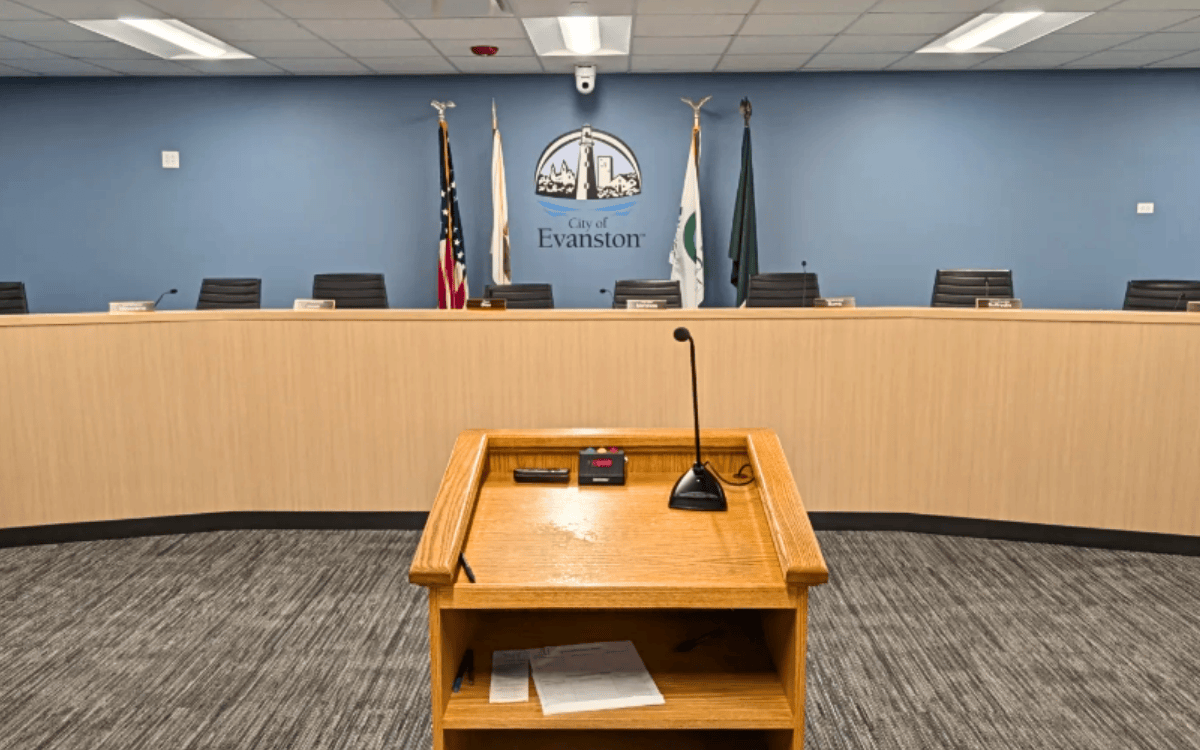
Evanston and its outside counsel at Jenner & Block have declined to comment on the case, citing a policy against discussing pending litigation, according to Evanston Now. The city has said it will continue to defend the program.
How the Case Got Here
The lawsuit was originally filed in 2024 by Judicial Watch, a conservative legal action group, on behalf of six non-Black plaintiffs. They claim the program's race-based eligibility requirement violates the 14th Amendment's Equal Protection Clause.
A federal court denied Evanston's motion to dismiss the suit in March 2026, according to Patch. The DOJ's Civil Rights Division moved to intervene that June. Judge Kness approved the intervention Oct. 15, saying the government had "a better argument" than the city's position opposing intervention, though he called the city's argument "not irrational."
What's at Stake
Evanston's reparations program, established in 2019 and approved by the City Council in 2021, is the first government-funded reparations initiative in the country. It provides cash payments and housing assistance to Black Evanston residents and their descendants who faced housing discrimination between 1919 and 1969.
In February, city staff outlined plans to fund 44 additional direct descendants. By July 2, a city report listed disbursements to 301 recipients—137 ancestors and 164 direct descendants—with an estimated total of $7.33 million.
At an Oct. 29 hearing, Precious S. Jacobs, an attorney at Jenner & Block representing Evanston, said the city planned to file a motion to dismiss the DOJ's complaint. That motion had not been filed as of that hearing.