Miriam Kendall's year-old campaign to reduce classroom screen time in Evanston/Skokie School District 65 landed in a national publication this week, just 11 days before the district's roughly 6,000 students return to school on Monday, Aug. 24.
The Christian Science Monitor featured Kendall and her group, Screen Sense Evanston, on Wednesday, Aug. 12, placing the Evanston mother of three at the center of a growing parent movement questioning heavy technology use in elementary and middle school classrooms.
"We want there to be a really thoughtful and strategic reevaluation of the use of technology in schools. ... Parents are demanding change," Kendall told the Monitor.
Kendall founded Screen Sense Evanston and launched a petition on Aug. 14, 2025, calling on the pre-K through eighth grade district to curtail in-class screen time. The petition has since collected more than 1,400 signatures.
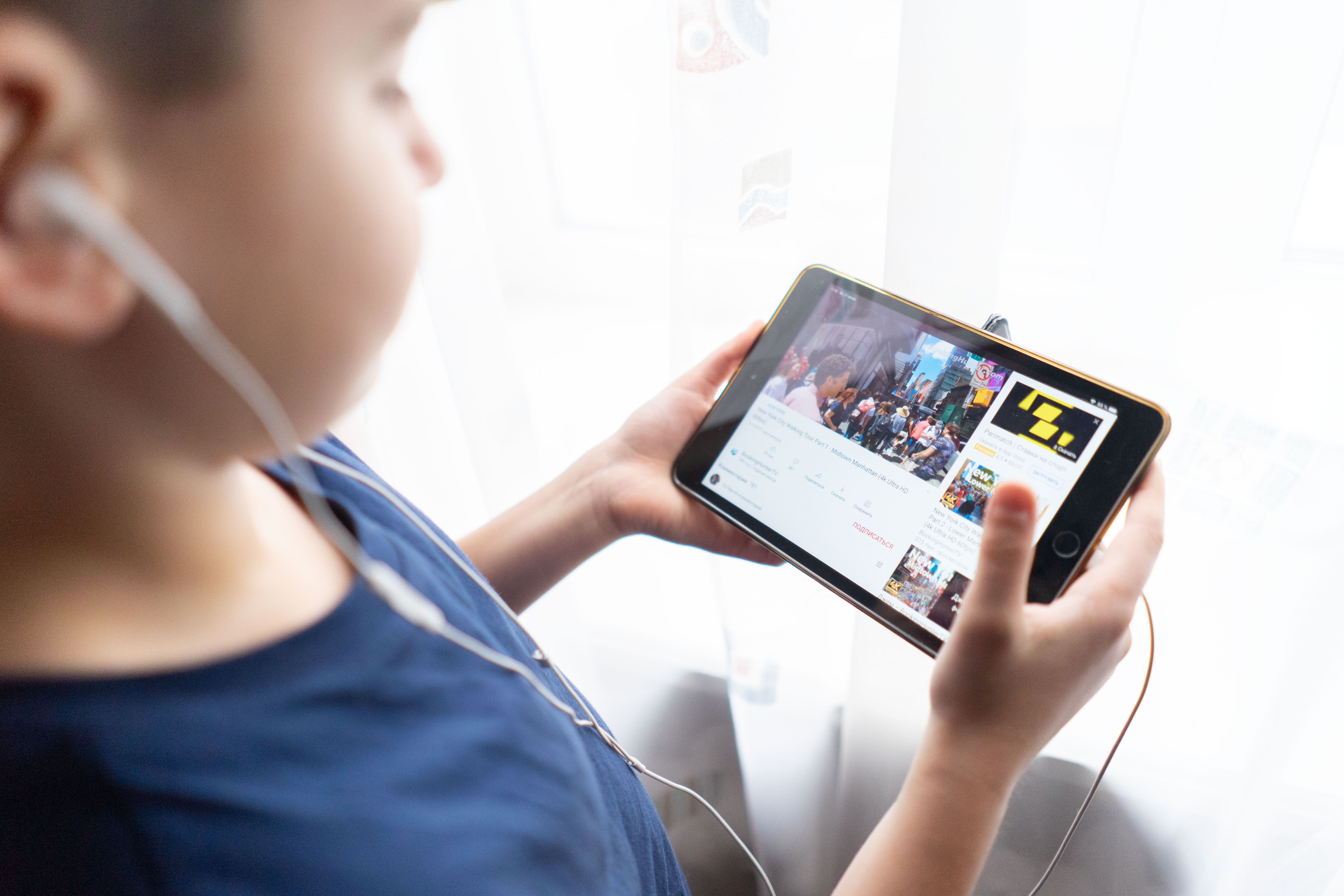
Her advocacy began after she checked her daughter's school-issued tablet tracker and found the child had spent two hours watching Taylor Swift videos during second grade, according to the Monitor report.
What has changed
Since the petition launched, the district has banned YouTube and more than 300 non-educational apps from school-issued devices and agreed to screen-free indoor recess. On Aug. 18, 2025, District 65 also required all personal electronic devices to be stowed and turned off during the school day.
Superintendent Dillow wrote in an email to the Evanston RoundTable in August 2025 that the district shares Screen Sense Evanston's goal of improving how schools engage with technology.
But the district has not abandoned its one-to-one device model.
In March 2026, the school board voted 5-2 to approve a $528,000 purchase of 1,231 new iPads, maintaining the policy of assigning a personal device to every student from kindergarten through eighth grade. Parents lined up at the public comment podium to object, according to Chicago Tribune reporting.
At that meeting, Kendall urged the board to adopt a shared cart model instead and asked the district to begin tracking screen time on school devices.
National context
The Evanston fight reflects a broader shift. About 88% of public schools had one-to-one computing programs in the 2024-25 school year, up from roughly 45% in spring 2020, according to the National Center for Education Statistics. A May 2026 survey of 600 teachers by researchers at Auburn University and Christopher Newport University found 85% believe students spend too much time on screens in class.
At least 37 states now require districts to ban or restrict student cellphone use during class time, according to Education Week.
What's unresolved
District 65 did not respond to the Monitor's request for comment for its Aug. 12 article. The district has not publicly announced whether additional screen-time policy changes are on the agenda for the 2026-27 school year, which begins Aug. 24.
Screen Sense Evanston's petition lists five demands of the school board, though the full text has not been published in available reporting. Kendall has called for the district to track device usage data and move away from individual iPads for younger students.