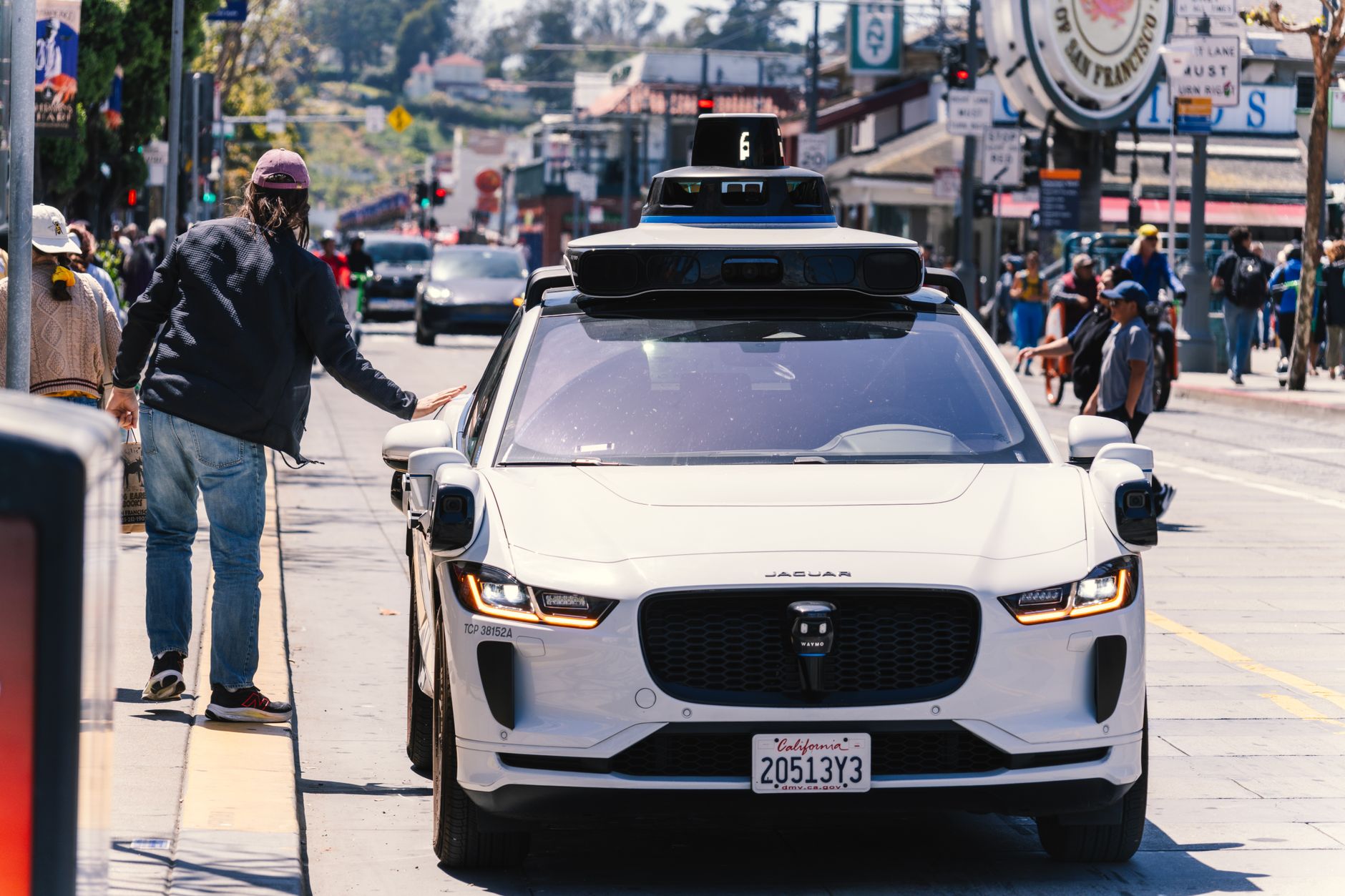
Waymo stopped offering driverless taxi rides on freeways across all its U.S. markets after California regulators barred the company's autonomous vehicles from state highways, calling them an imminent public safety hazard.
The California Department of Motor Vehicles (DMV) ordered the ban on Nov. 11, the Associated Press reported. Waymo then voluntarily extended the suspension to Phoenix, Miami and Austin, where the California order does not apply.
The decision matters locally because Waymo has been mapping Chicago streets with human-driven vehicles since February and lists the city on its expansion plans. Illinois does not yet authorize driverless cars for hire, and a pilot bill remains stalled in Springfield.
What triggered the ban
Two Bay Area incidents in early November prompted the DMV's action, according to the agency.
On Nov. 5, three Waymo vehicles entered an active construction zone on U.S. Highway 101 near Burlingame, putting workers and equipment at risk, the DMV said. The next day, a Waymo car attempted to pass California Highway Patrol vehicles conducting a traffic break on Interstate 280 in San Francisco. Video of that encounter circulated widely on social media.
DMV spokesperson Jonathan Groveman said the department found Waymo's freeway operations posed "an imminent hazard to public safety due to recurring incursions by its vehicles into active construction zones where construction workers, vehicles and equipment are present," according to AP's reporting.
The DMV noted these problems were not new. Similar incidents occurred on May 18, when seven Waymo vehicles drove between lane-closure cones into active construction on a Bay Area freeway, according to a recall report Waymo filed with the National Highway Traffic Safety Administration (NHTSA). Earlier, on April 11 and April 19, Waymo vehicles drove past ramp-closure signs into planned freeway construction zones in Phoenix, the same filing shows.
A pattern of software fixes
Waymo's NHTSA recall report, filed June 17, described the core defect: under certain circumstances, the automated driving system "may enter and drive at speed in freeway construction zones due to inappropriately prioritizing the avoidance of other freeway hazards and/or failing to recognize the construction zone." The recall covered 3,871 vehicles capable of driverless freeway operation.
The company said its software fix improved construction-zone recognition and reduced speed when a vehicle might be in one. Waymo reported the fix was installed on all affected vehicles by June 29, and freeway driving resumed June 25, according to EV reporting on the suspension.
Yet the November incidents occurred after that fix. The DMV said the latest construction-zone entries happened "despite prior restrictions and corrective actions implemented following similar incidents," according to ABC News reporting.
What regulators require before service resumes
California's restrictions bar Waymo from both operating and testing driverless vehicles on state freeways, Groveman told the AP. The ban will remain until Waymo demonstrates it has taken "effective corrective actions to address the deficiencies," he said.
The DMV wants evidence that Waymo's vehicles can safely detect and respond to construction zones, emergency vehicles and other roadway situations, ABC7 reported. No end date has been set.
Billy Riggs, a professor at the University of San Francisco, told ABC7 he sees the ban as "an opportunity to continue improving a technology." He said autonomous vehicles remain safer than human drivers overall but noted a key limitation: "An automated vehicle can understand and identify all the aspects of the roadway and make really sophisticated judgments on them. But, many times, it can't understand context."
Waymo's response
Waymo said no injuries or collisions resulted from the flagged incidents. The company said it had "temporarily restricted commercial freeway rides in all markets" and was "continuing freeway testing with trained autonomous specialists behind the wheel," according to the AP.
The company did not say when it expects to resume freeway service. Its ride-hailing service continues on surface streets, serving what Waymo described as more than half a million trips each week.
What this means for the Chicago area
Waymo announced in a Feb. 25 blog post that it would begin "laying the early groundwork" for ride-hailing in Chicago. State Rep. Kam Buckner, speaker pro tempore of the Illinois House, described the activity as "initial mapping and manual testing."
No Waymo robotaxi carries paying riders in Chicago. Driverless cars are not authorized in Illinois, and the Autonomous Vehicle Pilot Project Act, House Bill 4663, remained stalled as of late October, according to DockDuty's reporting. The bill still needs to clear the House Rules Committee, a substantive committee and both chambers.
The freeway ban adds a data point for Illinois lawmakers weighing that legislation. California's action marked the second time a state regulator moved against a robotaxi operator. In October 2023, the DMV suspended GM's Cruise driverless permits after a pedestrian was dragged by one of its vehicles in San Francisco. Cruise never resumed service, and GM shut down its robotaxi business in 2024, EV reported.
Waymo's surface-street operations continue nationwide, but the freeway suspension shows that even the industry's most established operator has struggled with construction zones and police-directed traffic, the two scenarios regulators flagged as most dangerous.