Evanston's Finance and Budget Committee began reviewing whether the city's fund reserve requirements are too high at its July 9 meeting, though a top finance official cautioned that most funds have little room to give.
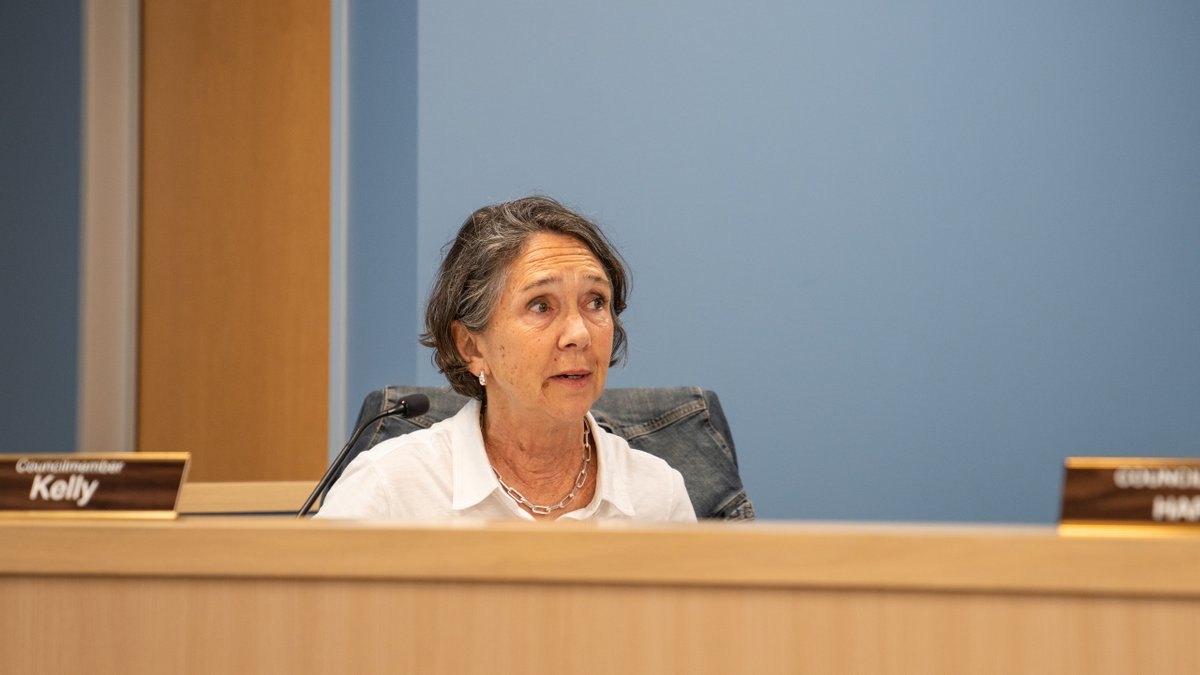
Ald. Clare Kelly (1st Ward) pushed for a review of excess reserve policies across the city's 17 budget funds, arguing the city is holding reserves beyond what it needs. Kelly's proposal stems from a referral she submitted last year calling for a policy that "prevent[s] the stockpiling of public funds."
Deputy CFO Clayton Black tempered expectations. He told committee members that shifting excess reserves from other funds to help cover public safety pension costs is "not very likely," because most of those 17 funds have limited flexibility.
The committee plans to continue the reserve policy discussion at a future meeting, though no date has been announced.
Narrowing margins
The debate comes as Evanston's financial margins narrow. The city set a goal in 2023 to fully fund public safety pensions by 2040, and its annual pension contribution will hit $30.3 million in 2026, with $7.3 million drawn from reserves.
City officials have warned that one-time revenue from Northwestern University construction permits, which generated $6.2 million in 2025, cannot be expected to continue. Without that money, the city would have ended 2025 with just $4.8 million in excess reserves, according to a November 2025 city budget presentation.
The committee also approved placing on file the city's 2025 financial audit on July 9. The audit found that all funds except the Chicago Main TIF, the Capital Improvement Fund, and the Water Fund met their reserve balance targets.
City Manager Luke Stowe and CFO Hitesh Desai wrote in a letter to the City Council that Evanston's financial position has been shaped by strong local economic activity, inflation-driven revenue growth, and significant permit revenues tied to Northwestern construction.
Kelly's track record on reserves
Kelly successfully pushed a similar argument during the November 2025 budget vote, when the council voted 6-2 to cut $3 million from a proposed property tax hike and instead draw on excess reserves. That brought the total reserve draw in the $404 million 2026 budget to $12 million, up from the originally proposed $9 million.
At the time, Ald. Jonathan Nieuwsma (4th Ward) warned the move would create "a $3 million hole in our General Fund that we're going to have to fill somewhere."
The General Fund closed fiscal year 2024 with a balance of $49.1 million, according to the adopted FY2026 budget document. But diminishing excess reserves will eventually force the city to find new revenue sources or cut expenses, according to the Evanston Now report on the July 9 meeting.
The full City Council's next meeting is July 13.