About 30 Fifth Ward residents showed up Tuesday, Aug. 11, expecting to brainstorm ideas for the long-vacant Emerson-Jackson site. What they got instead was sticky notes, one-word exercises and questions about their "lived experiences" in the ward.
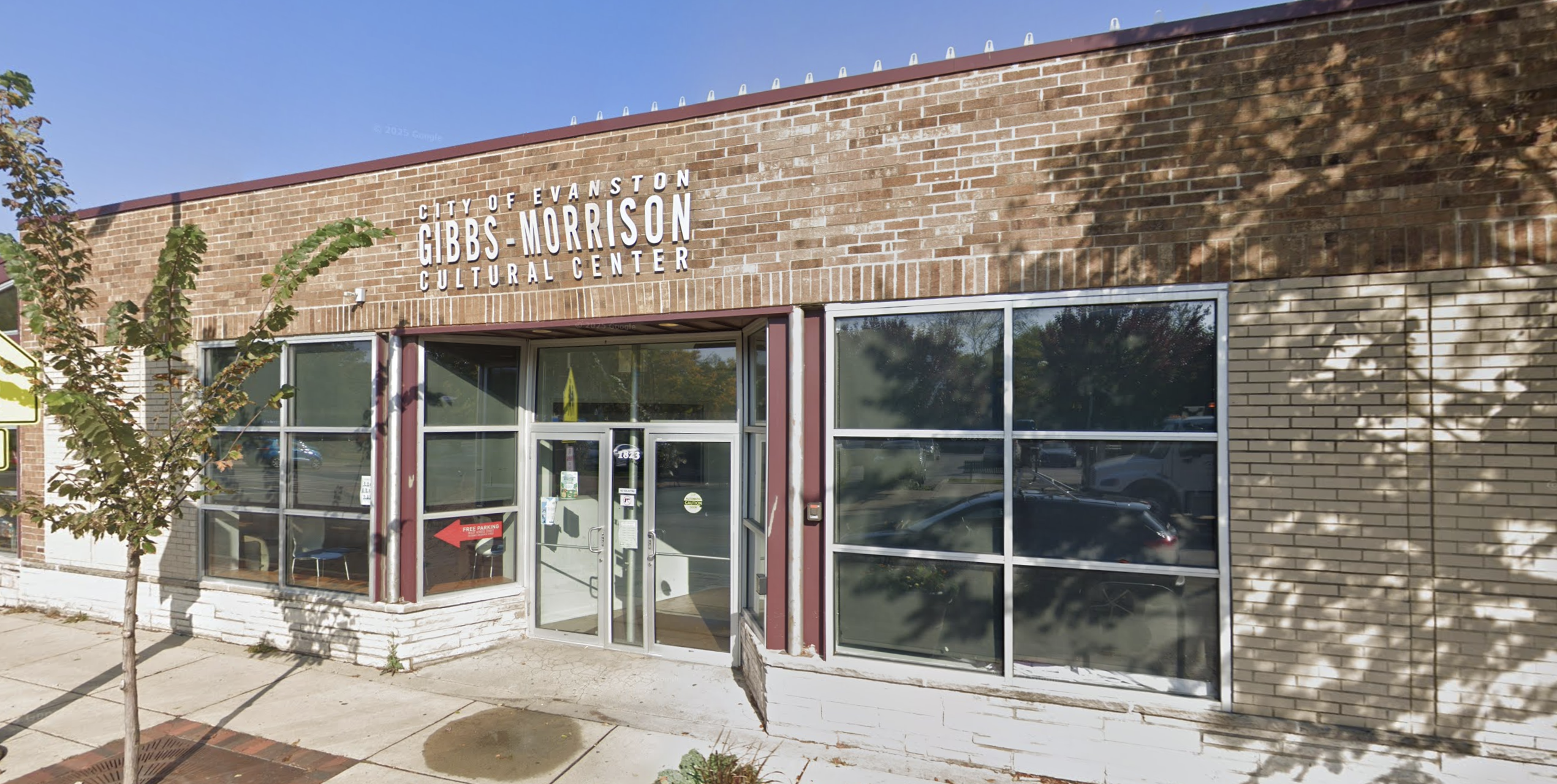
The city-organized session at Gibbs-Morrison Cultural Center was the first of two scheduled community meetings on the future of the one-acre property at Jackson Avenue and Emerson Street, the Evanston RoundTable reported. The city purchased the land in 2022 for $1.68 million and demolished seven houses on the site the following year ahead of planned development.
Rather than soliciting specific development proposals, consultants from Aggregate Studio and Architecture for Public Benefit asked attendees to describe the Fifth Ward in a single word and mark favorite and least-favorite spots on a map.
The format caught residents off guard.
"It wasn't what I expected based on how it was advertised — that it was going to be to get input specifically on what to do with the property plan," resident Vanessa Johnson McCoy said at the session. "I thought we would be brainstorming, and this feels like it was 80% other stuff and maybe 20% that."
Residents' one-word descriptions of the ward ranged from "inclusive" and "neighborly" to "historic," "changing" and "gentrification." Attendees' time in Evanston ranged from a few months to more than 90 years.
Concerns about pedestrian safety, affordable housing and distrust in the city's planning process surfaced repeatedly. Multiple residents drew comparisons to Envision Evanston 2045, a previous planning effort where they felt community input was ultimately ignored. Longtime resident Tina Paden told consultants the pattern felt familiar, saying residents are frustrated putting stickers on boards session after session when the city doesn't listen at the end of the day.
Fifth Ward Councilmember Bobby Burns, who organized the listening-session approach, defended the format. Burns said he deliberately hired consultants without a financial interest in the land to avoid repeating past mistakes where the city rushed to identify a developer.
Consultant Chana Haouzi, founder of Architecture for Public Benefit, said the broad discussion still yielded useful information about what residents care about. Josh Mings, founder of Aggregate Studio, said everything shared at the session would inform the design process going forward.
Consultants had originally planned to present three development visions at the next community meeting. After hearing residents' reactions Tuesday, they said they need to meet with the city first to make adjustments before proceeding.
The second listening session is scheduled for 6 p.m. Tuesday, Sept. 1, at Gibbs-Morrison Cultural Center. After that, consultants plan to compile input into a "shared vision" for the property, resulting in a design to be shopped for construction.