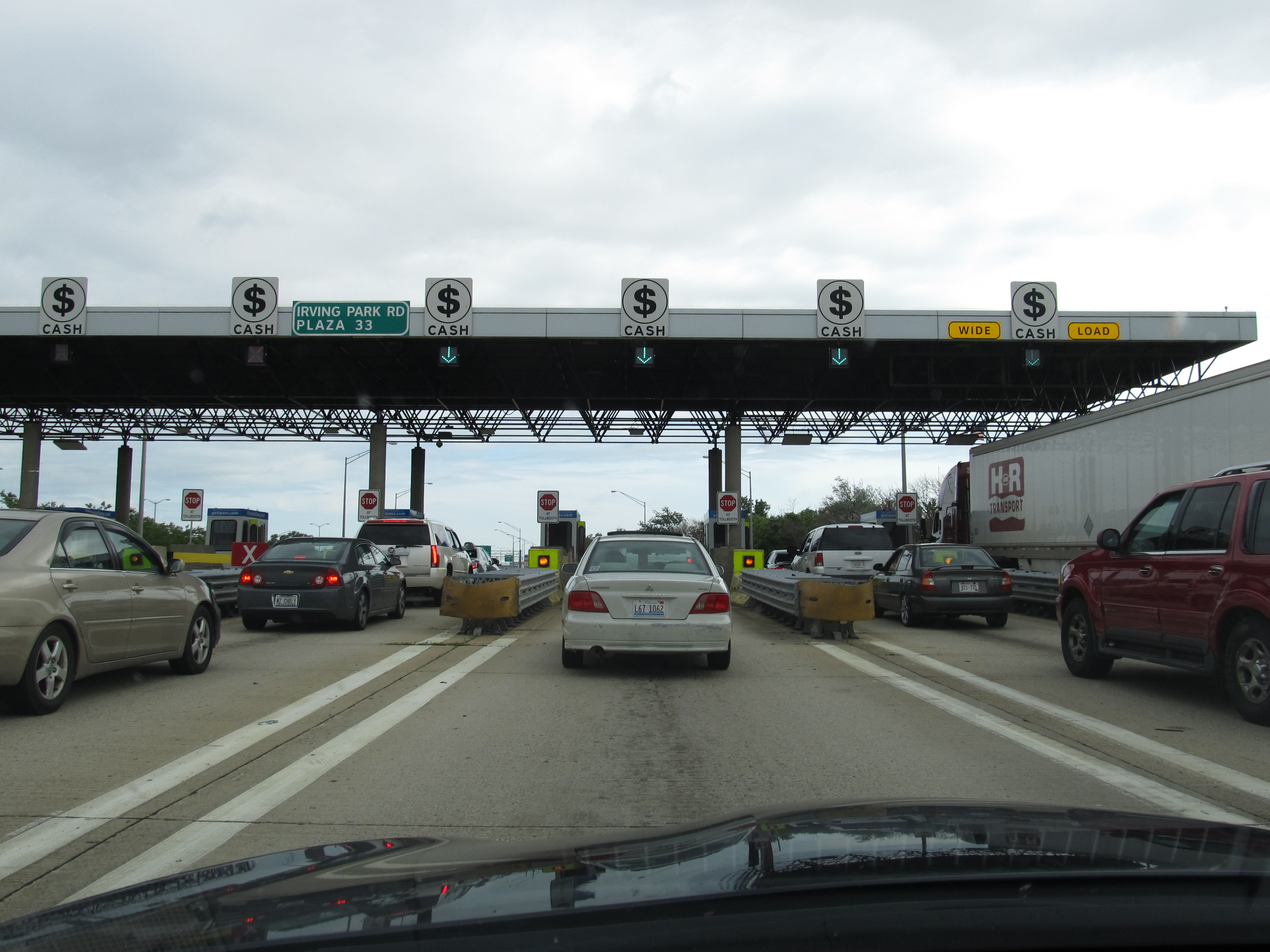
Evanston-area drivers who use I-94 and I-294 would pay an average of 45 cents more per toll under a proposed rate increase the Illinois Tollway unveiled as part of a $26.5 billion, 15-year capital plan. The increase, the first for passenger vehicles since 2012, would take effect January 1, 2027, if approved by the Tollway's board, which has not yet scheduled a vote.
Drivers without I-Pass would pay 90 cents more per toll. Commercial vehicle rates would rise about 30 percent.
How to weigh in
One Cook County hearing remains on the schedule: Wednesday, July 15, from 6:30 to 8:30 p.m. at the Markham Park District's Roesner Multipurpose Room, 16053 Richmond Ave., Markham. Additional hearings across the Tollway's 12-county service area continue through Thursday, July 24.
Written comments are accepted through noon on Monday, August 3. Residents can submit them online at illinoistollway.com/drivingconnections or by mail to the Communications Department, 2700 Ogden Avenue, Downers Grove, IL 60515.
What Evanston drivers would pay
After the increase, the average I-Pass passenger toll would rise from about 7 cents per mile to about 11 cents per mile, according to the Tollway. That remains below the national average of 16 cents per mile. Current tolls across the system range from 30 cents to $1.50 at various plazas. A trip calculator showing current and proposed rates for each plaza is available at illinoistollway.com/drivingconnections.
Where the money goes
The capital plan, called "Driving Connections," dedicates $3.07 billion to the North Tri-State Tollway corridor along I-94 and I-294, the stretch most relevant to Evanston commuters. That money would fund roadway rehabilitation and bridge reconstruction between Balmoral Avenue and the Edens Spur, plus early design work for improvements at the I-294/I-90 interchange, according to the Tollway's July 13 press release.
The broader plan allocates more than $14.6 billion to toll road reconstruction and rehabilitation systemwide, nearly $3.36 billion for interchange upgrades, and about $880 million for widening projects, according to the Chicago Tribune.
Executive Director Cassaundra Rouse said the plan reflects lessons from the Tollway's previous capital program. "We learned through Move Illinois that investments in interchanges are important," Rouse told the Tribune. "There's also a lot of investment in technology that will improve safety."
Why now
The toll hike is tied to a state transit funding bill signed by Gov. J.B. Pritzker in December 2025. That law, which took effect June 1, created the Northern Illinois Transit Authority and diverted some tollway-bound funds to public transit. The proposed toll increases are meant to offset that diversion, according to the Tribune's reporting.
Under the arrangement, CTA, Metra, and Pace fares remain unchanged; the toll increases are designed to replace the diverted revenue.
Not everyone supports the plan. Former Tollway Director and state Sen. Bill Morris told the Tribune the proposal appeared hastily assembled. "There are a lot of questions that should be asked before Jane and Joe Family are asked to dig deeper into their pockets for toll increases that exceed the inflation rate 10 times or more," Morris said.
What's next
Starting in 2029, toll rates would be adjusted every two years based on the Consumer Price Index. The Tollway's board must approve the increases before they take effect January 1, 2027.