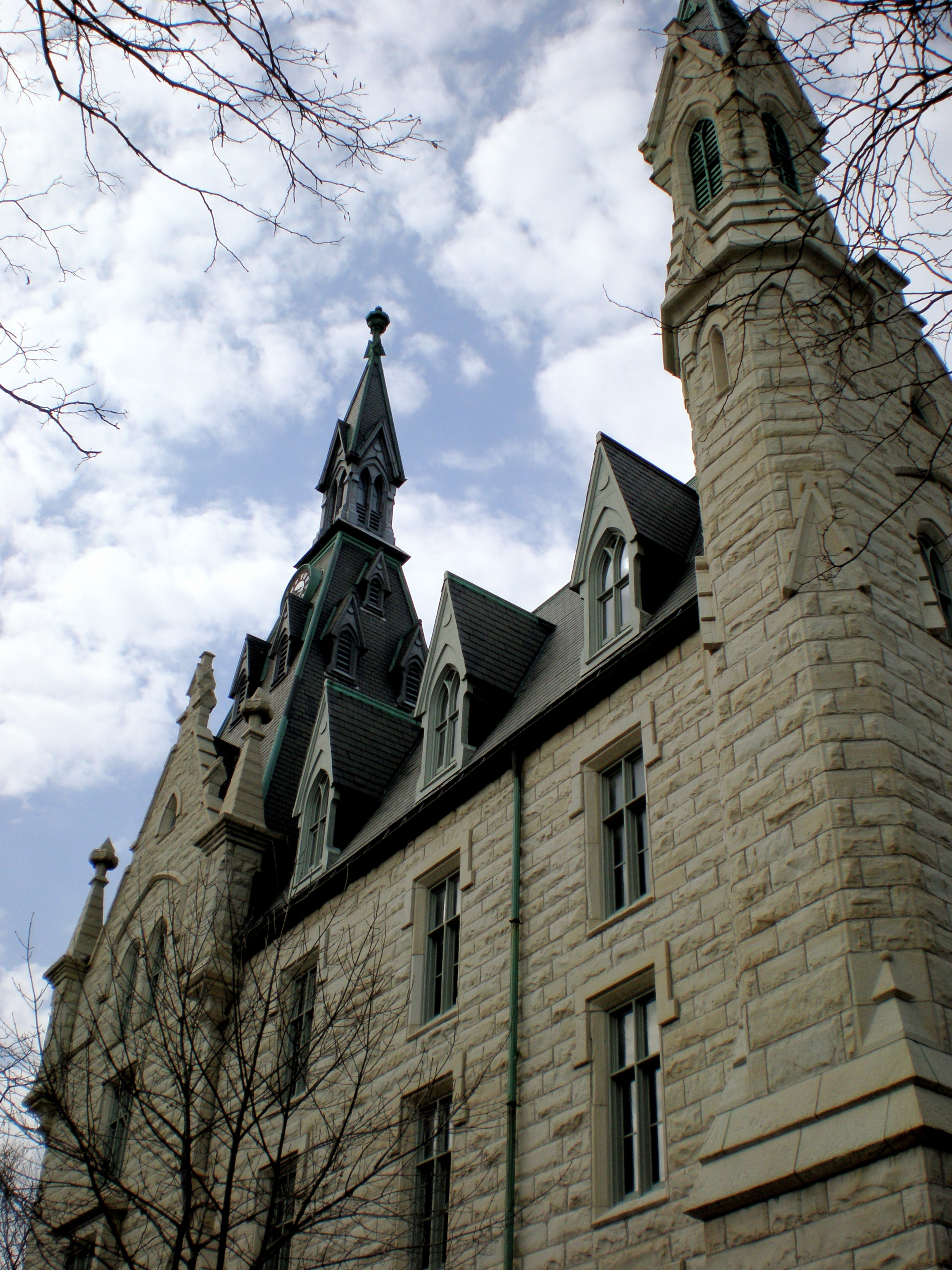
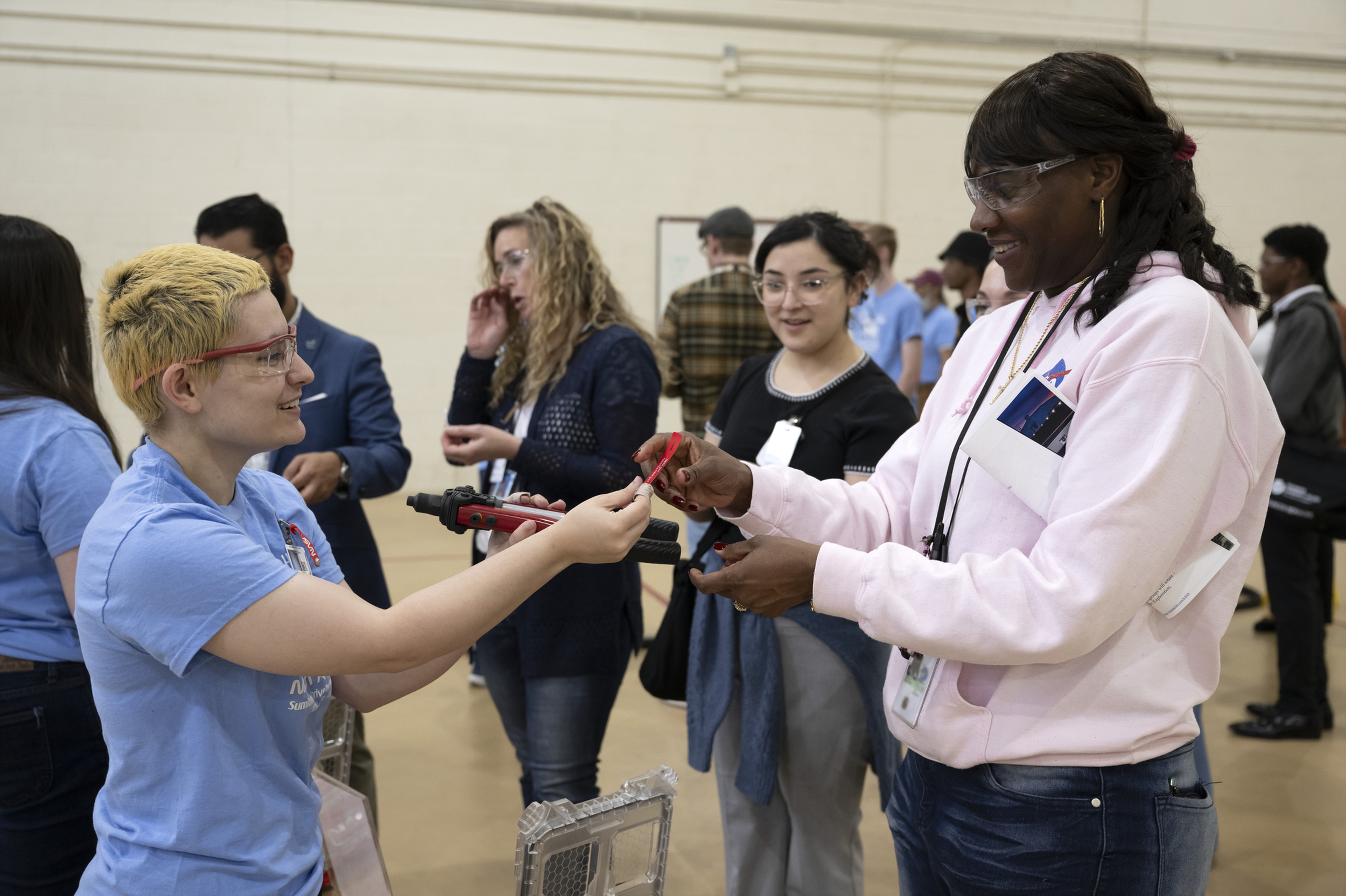
High school students with no coding background are learning Python, building paper telescopes and turning data into clay sculptures at Northwestern's Evanston campus as part of a summer research program that requires zero prior experience in programming or astronomy.
The Research Experiences in Astronomy at CIERA for High School Students program, known as REACH, launched its second three-week session July 6. Run through Northwestern's Center for Interdisciplinary Exploration and Research in Astrophysics, the program teaches students the same Python libraries used by doctoral researchers, including NumPy, Matplotlib and pandas, while pairing technical training with hands-on astronomy and art projects.
"Every time I learn a new thing, I was like, 'We can do that?'" Lily Read, a REACH student from Tennessee who had no computer science experience before the program, told the Daily Northwestern. Read described the program as extremely beginner-friendly and said it was her first time living independently.
REACH director James Schottelkotte, who also serves as CIERA's Education and Outreach Coordinator, told the Daily Northwestern the program trains students to code and analyze data. The first of two summer 2026 sessions concluded July 2.
Students build skills fast. Maya Zacks, a REACH participant, told the Daily Northwestern that students learned as much material in the first week and a half as her friends learned in an entire Advanced Placement Computer Science class.
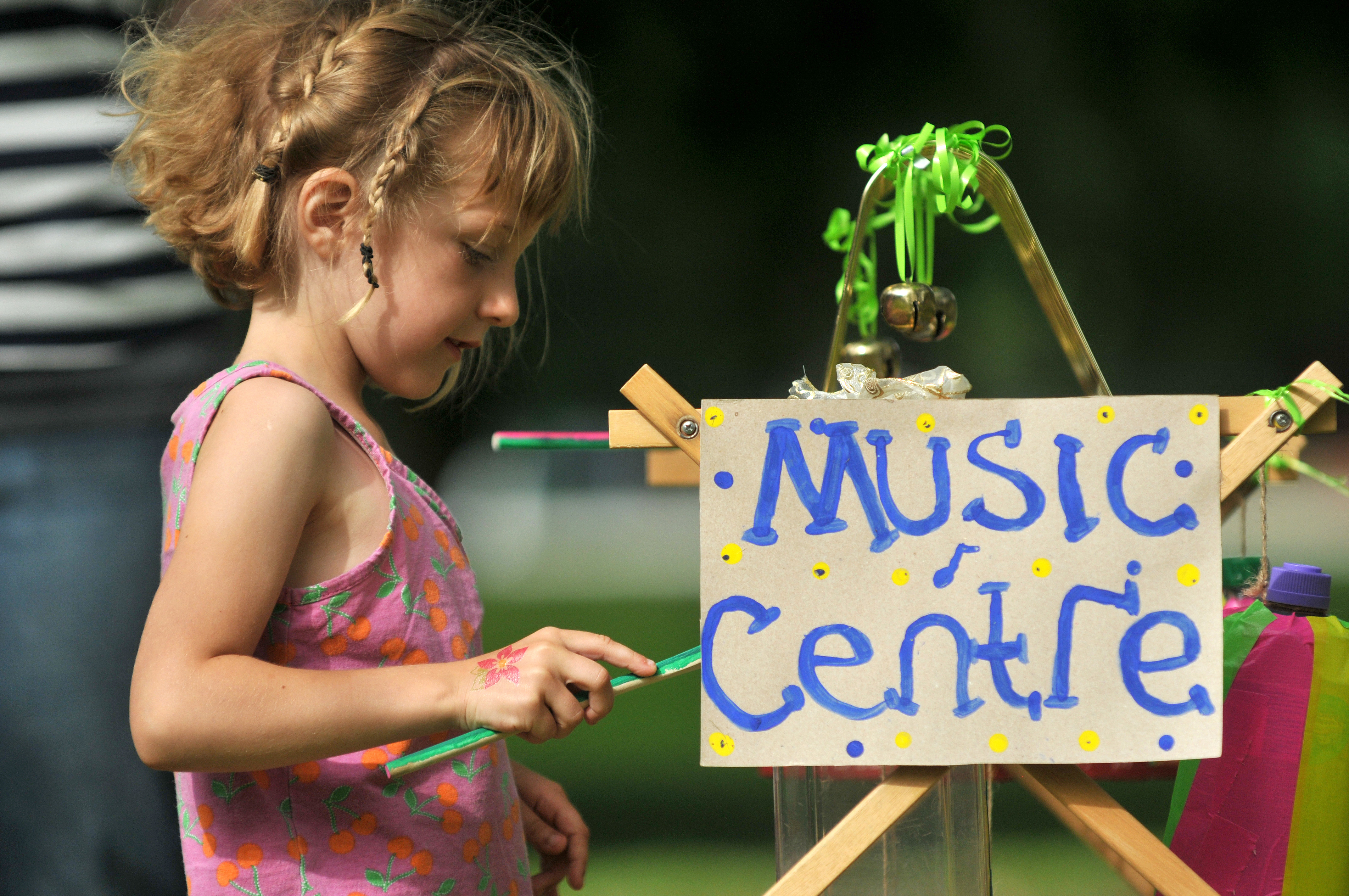
The program blends art and science in unexpected ways. Students created data visualizations out of clay and charcoal. Zacks said the project brought together "two seemingly different areas into one thing." Another student, Blake Kearns, built telescopes out of paper and measured sunrays using cardboard and foam.
Edward Skrabacz and Andrea Ceja, both rising third-year physics graduate students, serve as program coordinator and computation instructor, respectively. Skrabacz told the Daily Northwestern he views art and science as deeply connected. Ceja encouraged students to treat coding as a long-term practice rather than something to master in a single session.
The program draws students from across the country. In 2024, 51 students participated in the core program, with 59% identifying as women or non-binary and 20% from groups underrepresented in STEM, according to CIERA's program recap. That year, CIERA provided full or partial tuition waivers to 17 students totaling nearly $45,000, funded by The Brinson Foundation and other supporters.
Full or partial tuition assistance remains available for students in need. A limited number of participants can also extend their experience through REACH Further, an optional three-week independent research project supervised by a CIERA mentor. The 2026 application deadline passed in March, and CIERA has not yet announced dates for 2027.